

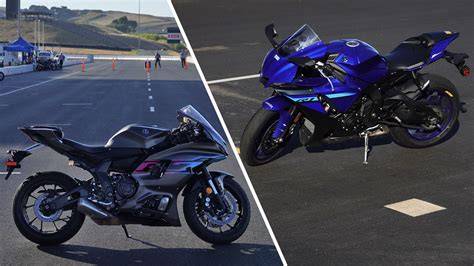
When it comes to sport motorcycles that combine performance, striking design, and rider engagement, Yamaha’s R‑Series has earned a reputation among riders across the globe. This iconic lineup spans from entry‑level sportbikes to full‑fledged superbikes, each tailored to a different level of rider experience and riding ambition. Whether you’re a new rider considering your first sportbike, an enthusiast looking to upgrade, or someone curious about what sets each model apart, understanding the Yamaha R‑Series is essential before making a purchase.
Motorcycle buyers often search for clarity on how these bikes compare, what their strengths and weaknesses are, and which models match their specific needs. This deep dive will help you weigh factors like engine performance, handling characteristics, everyday usability, technology, and price to make a confident decision. In this comprehensive buyer’s guide, we explore the Yamaha R15, R3, R7, and R1 in detail, providing insights that make technical evaluations and real‑world considerations clear and relatable. The aim is to equip you with expert‑level information written in a human, easy‑to‑digest tone, so you can decide which Yamaha R bike deserves a place in your garage.
Read Also: Yamaha MotoGP Bikes vs Production Models Key Differences Explained
What Defines the Yamaha R‑Series
The “R” in Yamaha’s model names stands for Racing and reflects a design philosophy rooted in sport performance. These bikes share a visual and engineering lineage that draws inspiration from Yamaha’s MotoGP efforts. From aggressive fairings to performance‑oriented suspension, each R‑Series motorcycle delivers a riding experience that leans toward sport riding. While each model shares a family resemblance—twin headlights, sharp lines, and aerodynamic styling—the key differences lie in scale, power delivery, and intended use. The series covers a broad spectrum of riders, from those seeking manageable power for daily city use to seasoned riders demanding peak performance on the track.
Each model has its own personality. The R15 makes sporty riding accessible for newcomers. The R3 offers balanced performance for daily commuters and weekend riders. The R7 elevates the experience with a more muscular engine and capable chassis. The R1 stands at the pinnacle, representing Yamaha’s most advanced production motorcycle, blending cutting‑edge technology with exhilarating performance.
Understanding these bikes requires looking beyond just horsepower numbers and top speeds. Factors like ergonomics, weight distribution, braking performance, electronic rider aids, and even connectivity features all contribute to the overall experience. Let’s take a closer look at each model to uncover what makes them unique.
Yamaha R15: The Beginner’s Sportbike
The Yamaha R15 serves as many riders’ first true introduction to the world of sport motorcycles. With a small‑displacement engine, aggressive styling, and performance cues taken from larger supersport bikes, the R15 has become a favorite among riders seeking a fun, capable, and relatively affordable sportbike.
The heart of the R15 is a 155cc liquid‑cooled single‑cylinder engine. This powerplant delivers a punchy response that feels lively in city traffic and stable on open roads. Yamaha’s implementation of Variable Valve Actuation (VVA) ensures the engine delivers a smooth blend of low‑end torque and top‑end power. Riders appreciate how responsive the throttle feels, making the bike feel sportier than many competitors in the same class.
Part of the appeal lies in the R15’s rider‑friendly nature. It’s lightweight, which makes it forgiving for those still learning the nuances of sport riding. The seating position is committed without being extreme, allowing riders to enjoy a sporty posture without discomfort during daily commutes. The suspension setup balances stability and agility well—firm enough to inspire confidence, yet compliant enough to absorb rougher urban surfaces.
Modern versions of the R15 come equipped with features that enhance both performance and usability. A slipper clutch smooths downshifts and helps prevent rear wheel hop during spirited riding. The fairing design improves aerodynamics and contributes to the bike’s sporty aesthetic. Overall, the R15 offers an ideal blend of look, feel, and performance for new riders.
While the R15 isn’t designed for high‑speed highway cruising or long touring journeys, it performs admirably within its intended envelope. It’s a catalyst for growth—transforming curious beginners into confident sport riders who can handle more advanced motorcycles in the future.
Yamaha R3: A Balanced Step Up
If the R15 lets riders get their first taste of sportbike excitement, the Yamaha R3 invites them to take a larger sip. The R3 bridges the gap between beginner bikes and more powerful motorcycles, offering a substantial performance increase while maintaining user‑friendly characteristics.
The R3’s engine is a 321cc liquid‑cooled parallel‑twin, which produces smooth and tractable power across the rev range. This makes it versatile for both city speeds and highway cruising. Riders often praise the R3 for its torque delivery—strong enough to merge confidently in traffic and still lively when pushing through winding backroads.
This model’s chassis and suspension complement its mid‑range engine performance. The R3 has a more substantial feel than smaller bikes, yet it remains nimble. It inspires confidence in cornering and has enough chassis rigidity to remain planted at higher speeds. The suspension absorbs bumps proficiently, creating a ride that feels both playful and composed.
What sets the R3 apart in its class is how well it balances everyday usability with a genuine sportbike feel. The ergonomics are sporty without being punishing, making it comfortable for daily commuting or longer weekend rides. An ergonomic riding position also enhances rider confidence during spirited cornering.
Technological features in recent iterations add modern appeal. A clear instrument cluster provides key information at a glance, and connectivity features allow riders to link their smartphone for ride tracking or performance data. An assist and slipper clutch reduces lever effort and improves shift quality.
Riders who have outgrown smaller bikes but are not ready to commit to bigger engines often find the R3 perfectly suits their needs. It helps make sport riding accessible without sacrificing performance or engagement. This balance has made it a popular choice among riders worldwide who want a versatile, capable motorcycle with a sporty edge.
Yamaha R7: Middleweight Performance
Stepping into the middleweight category, the Yamaha R7 represents a significant leap in terms of performance and capability. With its 689cc liquid‑cooled parallel‑twin engine, the R7 delivers more substantial power, torque, and overall presence. This model is designed for riders who have outgrown entry‑level bikes and crave more dynamic performance without dealing with the extremes of a liter‑class superbike.
The R7’s engine offers a broad, usable powerband that makes everyday riding exciting and highways feel effortless. Power delivery is smooth yet spirited, and the torque characteristics provide confidence when accelerating out of corners or merging onto faster roads. Riders who enjoy carving twisty roads or long road trips find the R7’s engine character particularly engaging and rewarding.
The chassis and suspension are tuned to match the R7’s performance aspirations. It has a rigid frame and well‑balanced suspension that deliver predictable handling and stability under a variety of conditions. The R7 leans into corners with confidence and communicates well to the rider, making it a joy to push its limits within safe margins.
Sporty ergonomics give the R7 an aggressive stance, yet it remains surprisingly comfortable for longer rides. The reach to the handlebars and footpeg position support a natural riding posture that enhances control without causing undue fatigue. Traction control and ABS provide rider aids that are helpful in real‑world conditions, allowing riders to focus more on enjoying the ride and less on worrying about potential slip or lock‑ups.
One of the R7’s most compelling attributes is its versatility. It’s powerful enough to be entertaining on a track day, yet balanced enough to be a daily rider. Intermediate riders who want more performance than smaller sportbikes offer—and experienced riders who enjoy refined, middleweight machines—will find the R7 appealing. It stands as a testament to Yamaha’s aim of delivering a bike that lives comfortably in both sporty and practical worlds.
Yamaha R1: Supersport Mastery
At the peak of Yamaha’s R‑Series lineup sits the YZF‑R1, a motorcycle that stands as a benchmark for supersport excellence. The R1 embodies the essence of Yamaha’s racing heritage, taking technology and engineering from the track and applying it to a production motorcycle capable of breathtaking performance.
The engine is a 998cc inline‑four with crossplane crankshaft technology, delivering an impressive blend of power, torque, and character. The crossplane design gives the R1 a unique power delivery—a sensation that feels both explosive and refined. With horsepower figures rivaling those of World Superbike machines, the R1 represents the upper echelon of production motorcycle performance.
What truly sets the R1 apart is its suite of advanced electronics. An inertial measurement unit (IMU) works in tandem with multiple ride modes, traction control, wheelie control, slide control, and cornering ABS to keep the rider safe while pushing the bike’s limits. These systems work seamlessly to enhance confidence without feeling intrusive, enabling riders to explore the boundaries of performance with support from intuitive technology.
The R1’s chassis and suspension are race‑ready. Fully adjustable suspension lets riders fine‑tune the bike’s behavior for specific tracks or road conditions. High‑end braking components provide strong, consistent performance—even under repeated hard use. Aerodynamic design elements, such as winglets and sharply sculpted fairings, improve high‑speed stability and airflow.
Riding the R1 is an immersive experience. It demands respect and skill but rewards those who can handle its power and precision. The aggressive riding position supports control at high speeds and in tight corners, and the overall performance envelope makes it a favorite among seasoned riders who frequent tracks or seek the thrill of intense road riding.
For riders considering the R1, it’s important to recognize that this bike represents a significant commitment. It’s not just about ripping down straights—it’s about mastering a machine that operates at the highest levels of motorcycle engineering. Proper gear, training, and respect for its capabilities are essential for enjoying the R1 safely.
Comparing the R Series Side by Side
When evaluating these four bikes together, several key differences emerge. The R15 focuses on accessibility and fun for new riders. The R3 adds more power and versatility suitable for commuting and leisure riding. The R7 elevates performance and dynamic character for intermediate to advanced riders. The R1 represents top‑tier engineering, designed for riders who demand peak performance and technological sophistication.
Engine size and power output naturally scale across the lineup, but so do features, technology, and price. The R15 offers an approachable entry point, while the R1 sits at the top of the spectrum in terms of performance and cost. Each step up delivers not just more horsepower, but refined handling, enhanced electronics, and greater capability.
Riding experience also plays a role in decision‑making. The R15 and R3 provide confidence‑building environments with manageable performance. The R7 introduces more serious capabilities that reward smooth riding inputs and further develop a rider’s skill set. The R1, with its advanced rider aids, brings a level of precision suitable for track use or experienced road riders seeking razor‑sharp performance.
Real‑world usability varies, too. The R15 and R3 excel as daily riders with sporty flair. The R7 balances daily usability with more spirited riding aspirations. The R1 is less about everyday practicality and more about performance expression. It’s a precision instrument that delivers instant feedback and rewards technical proficiency.
Trends and Rider Intent
The sportbike world has seen a growing trend toward middleweight machines like the R7. Many riders now find that these bikes deliver a compelling mix of performance, handling, and everyday usability without the intimidation factor of larger superbikes. The R‑Series lineup reflects this shift, offering options that accommodate diverse rider intentions and skill levels.
Technology plays an increasingly important role. Modern riders expect rider aids, connectivity, and user‑friendly instrumentation that enhance both safety and convenience. Yamaha’s integration of these features across the R‑Series elevates the riding experience, making even entry‑level bikes feel modern and capable.
Affordable sportbike ownership also depends on factors like maintenance costs, fuel economy, and resale value. Smaller displacement bikes like the R15 and R3 tend to have lower operating costs, while midrange bikes like the R7 offer performance without dramatic increases in upkeep. Superbikes like the R1 require more experienced hands and investment but reward that commitment with unmatched performance.
Choosing Your Ideal R
Deciding which Yamaha R‑Series bike is right for you involves understanding your goals and matching them with what each model offers. For new riders or those seeking a fun and accessible sportbike, the R15 is an ideal starting point. If you want more power and versatility without overwhelming performance, the R3 represents an excellent balance. Riders ready to step into more engaging performance should consider the R7, especially if weekend rides and occasional track days are part of the equation. For riders who demand the ultimate in engineering and performance, the R1 delivers an experience that few production motorcycles can match.
Ultimately, it’s about how you intend to ride—daily commuting, weekend adventures, track exploration, or a blend of all three. The Yamaha R‑Series provides options that align with many of these motivations, making it possible to find a sportbike that feels like a natural extension of your riding style.
Conclusion
Yamaha’s R‑Series stands as a testament to what sport motorcycles can be: thrilling, engaging, and uniquely expressive. Whether you’re taking your first step into sport riding or chasing the edge of performance with a superbike, there’s an R bike ready to deliver. With careful consideration of your experience level, performance needs, and riding goals, you can choose the model that fits you best and enjoy the exhilarating journey that comes with riding a machine built to perform.