

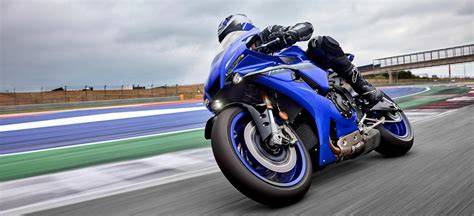
Owning a Yamaha motorcycle can be a thrilling experience, whether you’re drawn to the sleek sportbikes, reliable cruisers, or versatile adventure models. Beyond the excitement, however, prospective owners need to understand the ongoing costs associated with motorcycle ownership. Unlike simply buying a bike, maintaining it, insuring it, and covering fuel expenses can significantly impact your budget. Knowing what to expect in these areas helps riders make informed decisions and avoid surprises down the road.
In this article, we’ll break down the costs of owning a Yamaha motorcycle, focusing on insurance, maintenance, and fuel. We’ll explore how these expenses vary by model, usage, and rider profile, and provide tips to manage costs effectively. Whether you’re a first-time buyer or a seasoned motorcyclist, this guide will give you a realistic picture of what it takes to keep your Yamaha running smoothly.
Read Also: How MotoGP Affects Yamaha’s Brand Value and Global Sales
Understanding the Initial Cost of a Yamaha Motorcycle
Before diving into ongoing expenses, it’s important to consider the initial purchase price of a Yamaha motorcycle. Yamaha offers a wide range of models, from entry-level bikes like the Yamaha MT-03 to high-performance machines such as the Yamaha R1 or Tenere 700 adventure bikes. Prices can range anywhere from $4,500 for a small displacement model to over $20,000 for top-tier performance bikes.
The type of bike you choose affects not only your upfront cost but also insurance premiums, fuel efficiency, and maintenance frequency. For instance, sportbikes generally cost more to insure due to their higher speeds and accident risk, whereas standard or cruiser models often have lower ongoing costs. Understanding the long-term financial commitment beyond the sticker price is crucial before making a purchase.
Insurance Costs for Yamaha Motorcycles
Factors Affecting Motorcycle Insurance
Insurance is one of the largest recurring expenses for motorcycle owners. Several factors influence premiums, including the bike’s engine size, type, year of manufacture, and safety features. Rider demographics—age, experience, and driving record—also play a significant role.
For example, younger riders or those with limited riding experience typically pay higher premiums. Similarly, a Yamaha R1, with its powerful engine and performance focus, will generally be more expensive to insure than a Yamaha MT-07, which is designed for everyday commuting.
Average Insurance Premiums
On average, motorcycle insurance for Yamaha models can range from $200 to $1,200 per year. Entry-level bikes such as the Yamaha FZ series often fall on the lower end of this spectrum, while high-performance or touring models can push premiums closer to the higher end. Comprehensive coverage, which protects against theft, damage, and liability, will increase costs but offers peace of mind for serious riders.
Ways to Reduce Insurance Costs
Riders can reduce insurance expenses by taking safety courses, maintaining a clean driving record, and choosing bikes with lower insurance ratings. Many insurers offer discounts for riders who have completed certified motorcycle safety programs or installed security devices on their motorcycles.
Bundling motorcycle insurance with existing auto insurance policies can also lead to cost savings. Overall, a little proactive planning can make insurance more manageable without compromising coverage.
Maintenance Costs for Yamaha Motorcycles
Routine Maintenance Essentials
Maintaining a Yamaha motorcycle is key to ensuring longevity, safety, and peak performance. Routine maintenance includes oil changes, chain adjustments, brake inspections, tire checks, and fluid replacements. These tasks vary in cost depending on whether they are done at a dealership or a local mechanic.
On average, annual maintenance for a Yamaha motorcycle can range from $200 to $600 for standard bikes. High-performance models may require specialized parts or more frequent servicing, which can increase yearly costs to $1,000 or more.
Major Repairs and Parts Replacement
Beyond routine maintenance, motorcycles occasionally require major repairs or parts replacement. Components such as tires, brake pads, batteries, and clutches have a limited lifespan and can be costly to replace. For example, a high-quality set of tires for a sportbike can cost between $300 and $600.
Engine overhauls, transmission repairs, or suspension servicing can reach thousands of dollars, especially for advanced models. Budgeting for these eventualities ensures that you’re not caught off guard by sudden expenses.
DIY Maintenance vs Professional Service
Some Yamaha owners choose to perform minor maintenance themselves to save money. Tasks like oil changes, chain lubrication, and brake pad replacements are relatively straightforward for riders with basic mechanical skills. However, more complex repairs are best left to certified mechanics to avoid costly mistakes.
Investing in a proper service manual and high-quality tools can make DIY maintenance safer and more effective. Over time, this approach can reduce maintenance costs significantly while keeping your motorcycle in excellent condition.
Fuel Costs and Efficiency
Fuel Economy of Yamaha Motorcycles
Fuel is another ongoing expense that can vary widely depending on the model and riding style. Yamaha motorcycles are generally fuel-efficient, with most standard bikes achieving between 45 and 60 miles per gallon. Adventure bikes and larger displacement models may consume more fuel, averaging 35 to 45 miles per gallon.
Fuel costs also depend on regional gasoline prices and how often you ride. Commuters who use their motorcycle daily will see higher monthly expenses than occasional weekend riders.
Calculating Monthly Fuel Expenses
To estimate fuel costs, consider the average distance you plan to ride each month. For instance, if your Yamaha averages 50 miles per gallon and you ride 500 miles per month, you will consume roughly 10 gallons of fuel. At $3.50 per gallon, this translates to $35 monthly.
While this is a relatively small portion of ownership costs, riders of larger or performance models may spend $70–$100 per month on fuel. Planning for fuel expenses helps maintain an accurate budget for your motorcycle.
Other Costs to Consider
Licensing and Registration Fees
Owning a Yamaha motorcycle also involves licensing and registration fees, which vary by state or country. These costs typically range from $50 to $150 annually but can be higher for larger displacement bikes.
Riders must also account for inspection fees if their state requires periodic safety or emissions checks. Keeping these costs in mind helps avoid surprises during registration renewals.
Gear and Accessories
Protective gear is essential for rider safety and is a recurring investment. Helmets, jackets, gloves, boots, and other accessories can range from $50 for entry-level items to $1,000 or more for premium gear. Accessories such as saddlebags, windshields, or upgraded exhausts add to the overall cost but can enhance comfort and performance.
Purchasing quality gear upfront is a smart investment, as it not only protects the rider but can also reduce insurance costs by demonstrating a commitment to safety.
Depreciation and Resale Value
Motorcycles, like cars, depreciate over time. Yamaha motorcycles tend to hold their value relatively well compared to some other brands, especially popular models like the MT series or Tenere adventure bikes.
Depreciation impacts the long-term cost of ownership, particularly if you plan to upgrade or sell your bike in the future. Maintaining service records and keeping your motorcycle in excellent condition helps preserve resale value.
Recent Trends in Motorcycle Ownership Costs
Rising Insurance and Fuel Prices
Recent years have seen gradual increases in motorcycle insurance premiums and fuel prices, which affect overall ownership costs. Riders are also facing higher maintenance costs as newer models incorporate advanced electronics and performance features that require specialized servicing.
Being aware of these trends allows prospective owners to plan budgets more accurately and make informed purchasing decisions.
Increasing Popularity of Electric Motorcycles
Electric motorcycles are gaining traction as an alternative to traditional gas-powered bikes. While initial purchase prices remain higher, they offer lower fuel and maintenance costs. Yamaha is exploring electric models, which may shift the cost landscape in the coming years. Riders should consider these developments when evaluating long-term expenses.
Tips for Managing the Cost of Owning a Yamaha Motorcycle
- Regular Maintenance: Preventive care reduces the likelihood of expensive repairs.
- Smart Insurance Choices: Compare quotes, explore discounts, and choose coverage suited to your riding habits.
- Fuel Efficiency: Ride smoothly and avoid aggressive acceleration to save on fuel.
- Budget for Gear: Invest in quality safety equipment upfront to avoid frequent replacements.
- Track Expenses: Keeping a log of costs helps identify areas to save and ensures you stay within budget.
By implementing these strategies, riders can enjoy their Yamaha motorcycles without financial stress, keeping the experience both exciting and sustainable.
Conclusion
Owning a Yamaha motorcycle is more than just a purchase; it’s a commitment to ongoing care, safety, and budget management. Insurance, maintenance, and fuel are the primary recurring costs, with additional expenses for gear, registration, and occasional repairs. Understanding these costs and planning accordingly allows riders to enjoy the freedom and thrill of riding while keeping finances in check.