

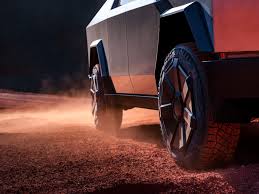
The phrase Pentagon Big Tech Tesla Cybertruck may sound unusual at first, but it reflects a growing connection between defense agencies, major technology companies, and next-generation electric vehicles. In recent years, the Pentagon has shown increasing interest in advanced civilian technologies, while Big Tech companies continue to influence how governments think about innovation, security, and mobility. At the center of many discussions is Tesla and its bold Cybertruck design.
This article explains what the Pentagon Big Tech Tesla Cybertruck connection really means, why it matters, and how it could shape the future of defense, transportation, and technology. Everything is explained in simple language, making it easy to understand even if you are new to the topic.
Understanding the Pentagon and Its Interest in New Technology
The Pentagon’s role in innovation
The Pentagon is not just the headquarters of the U.S. Department of Defense. It is also one of the world’s largest supporters of research and innovation. Over the years, many everyday technologies, including the internet and GPS, started as defense projects. Today, the Pentagon looks closely at commercial technology to stay ahead in a fast-changing world.
When people talk about the Pentagon Big Tech Tesla Cybertruck connection, they are often referring to this long history of learning from private companies. Instead of building everything from scratch, the Pentagon now studies how commercial products can be adapted for defense needs.
Why the military watches Big Tech closely
Big Tech companies like Tesla, Google, Microsoft, and Amazon develop advanced tools at a speed governments often cannot match. These companies work with artificial intelligence, data analysis, cloud computing, and electric systems that can be useful in defense operations.
The Pentagon works with Big Tech to explore how these tools can improve logistics, communication, and safety. This growing relationship is one reason the Tesla Cybertruck has caught attention in defense discussions.
How electric vehicles fit into defense planning
Electric vehicles are no longer seen as just eco-friendly cars for cities. For the Pentagon, electric vehicles offer quiet movement, lower heat signatures, and fewer fuel supply risks. These features are important in both military and emergency response scenarios.
The Pentagon Big Tech Tesla Cybertruck idea fits into this thinking, as the Cybertruck represents a new approach to strength, power, and energy efficiency.
Big Tech’s Growing Influence on Defense Strategy
The rise of public-private partnerships
In modern defense planning, partnerships between the government and private companies are common. Big Tech provides expertise, while the Pentagon provides funding and real-world testing environments. These partnerships help speed up innovation.
Tesla, as a major player in Big Tech manufacturing and energy systems, naturally becomes part of these conversations. The Cybertruck, with its unconventional design, stands out as a potential example of commercial innovation with broader applications.
Data, AI, and smart systems
Big Tech’s strength lies in software and data. Tesla vehicles are known for collecting and processing large amounts of information through sensors and cameras. This data-driven approach aligns with how the Pentagon thinks about future systems.
In the context of Pentagon Big Tech Tesla Cybertruck discussions, the focus is not just on the vehicle itself but on the technology behind it. Smart systems can improve navigation, maintenance planning, and situational awareness.
Ethical and political concerns
Not everyone is comfortable with Big Tech working closely with the Pentagon. Some worry about privacy, data security, and the role of private companies in military decisions. Tesla and other tech firms often face public questions about their responsibilities.
These concerns are part of the broader conversation and help shape how any potential use of Cybertruck-like technology would be handled.
Why the Tesla Cybertruck Attracts Attention
A design built for durability
The Tesla Cybertruck’s stainless steel body and angular shape are designed for strength and durability. Unlike traditional trucks, it emphasizes resistance to dents and damage. This has led many observers to wonder if such a design could suit harsh environments.
In Pentagon Big Tech Tesla Cybertruck discussions, durability is often highlighted as a key reason for interest. Military and emergency vehicles must operate in extreme conditions, and strong materials are always valuable.
Performance and utility features
The Cybertruck is designed to handle heavy loads, rough terrain, and long distances. Its electric motors provide instant torque, which is useful for towing and off-road movement. These features align with practical needs beyond civilian use.
While Tesla markets the Cybertruck to consumers, its performance naturally sparks interest from organizations that value reliability and versatility.
Energy independence and charging options
One of the Cybertruck’s most talked-about features is its potential for integrated power systems. The ability to power tools or equipment directly from the vehicle could be valuable in disaster zones or remote locations.
For the Pentagon, energy independence is a serious advantage. Reducing reliance on fuel supply chains can improve safety and efficiency, which is why the Pentagon Big Tech Tesla Cybertruck idea continues to be discussed.
Possible Use Cases and Future Implications
Military logistics and transport
If adapted, a vehicle inspired by the Cybertruck could be used for transporting supplies, equipment, or personnel. Its quiet electric operation could reduce noise in sensitive areas, while its strength could protect cargo.
This does not mean the Pentagon plans to use consumer Cybertrucks directly. Instead, it shows how commercial designs can influence future military vehicles.
Emergency response and disaster relief
Beyond combat, the Pentagon often supports disaster relief efforts. Electric trucks with strong bodies and onboard power systems could be extremely useful during hurricanes, fires, or earthquakes.
In this context, the Pentagon Big Tech Tesla Cybertruck concept represents a broader shift toward flexible, multi-purpose vehicles.
How this trend could shape civilian technology
Military interest often pushes technology forward. If defense agencies invest in electric, durable vehicles, civilian models may also improve as a result. Better batteries, stronger materials, and smarter systems could become more common.
This ongoing exchange between the Pentagon and Big Tech ensures that innovation flows in both directions.
Frequently Asked Questions
What does Pentagon Big Tech Tesla Cybertruck mean?
The term refers to discussions and interest linking the Pentagon, major technology companies, and Tesla’s Cybertruck design. It highlights how defense agencies study commercial tech for future use.
Is the Pentagon actually using Tesla Cybertrucks?
There is no public confirmation that the Pentagon is using Tesla Cybertrucks directly. Most discussions focus on ideas, research, and potential adaptations rather than active deployment.
Why would the military care about electric vehicles?
Electric vehicles offer quiet operation, lower heat output, and reduced fuel needs. These benefits align with modern defense and logistics goals.
How does Big Tech influence Pentagon decisions?
Big Tech provides advanced tools in data, AI, and engineering. The Pentagon works with these companies to explore faster and more efficient solutions.
Could Cybertruck technology affect civilian vehicles?
Yes, military interest often accelerates innovation. Features inspired by Pentagon Big Tech Tesla Cybertruck discussions could lead to stronger and smarter civilian vehicles over time.