

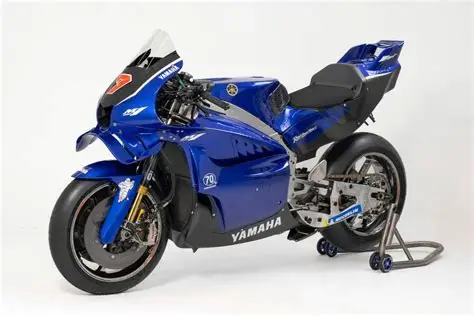
Yamaha is one of the most iconic names in the world of motorcycles. From sleek sportbikes that grace roadways to blisteringly fast machines tearing around MotoGP circuits, the brand has a global reputation for engineering excellence and racing heritage. Yet, for many riders and enthusiasts, there’s a persistent curiosity: how do Yamaha’s MotoGP bikes differ from the production models you can buy at a dealership? This article explores those differences in depth, offering a clear and engaging comparison that illuminates why MotoGP machines are in a league of their own, while also showing how production bikes reflect the spirit and technology of racing in ways accessible to everyday riders.
Understanding these differences isn’t just about technical fascination. It helps riders appreciate the engineering marvels behind both road and race bikes, clarifies why certain technologies don’t make it into consumer bikes, and highlights how racing innovations eventually trickle down to improve safety, performance, and usability for riders everywhere.
Read Also: Best Yamaha Motorcycles in 2025: Specs, Prices, and Performance Compared
What Makes MotoGP Bikes Unique?
The Pinnacle of Motorcycle Engineering
MotoGP bikes represent the absolute peak of motorcycle performance. They are purpose-built racing machines designed to extract every ounce of speed, grip, and responsiveness. These bikes are engineered to thrive in the highly demanding environment of professional racing, where fractions of a second determine winners and losers.
Unlike production motorcycles, which must balance performance with everyday usability, cost, emissions, and reliability over tens of thousands of kilometers, MotoGP machines are optimized for performance over short, high-intensity bursts. Components are bespoke and often handcrafted, with no regard to cost or long-term durability outside of race conditions. The Yamaha YZR-M1, for example, epitomizes this philosophy—it is a purebred racing machine that exists solely to win races.
Regulations Shape the Design
MotoGP is governed by a strict set of regulations that dictate engine capacity, weight, aerodynamics, and many other technical aspects. These rules are intended to ensure competitive balance and safety. For example, current MotoGP regulations allow 1000cc four-stroke engines, which provide a balance between power and control.
These regulations also foster innovation. Engineers push boundaries within the rulebook to find advantages in combustion efficiency, electronics, chassis design, and aerodynamics. While production bikes benefit from some of this innovation over time, they are constrained by different factors such as emissions regulations, cost targets, and user-friendly performance parameters.
Production Models: Built for the Real World
Designed with Riders in Mind
Production motorcycles like the Yamaha YZF-R1 or MT-09 are engineered for everyday riders. They must meet requirements for road legality, emissions standards, fuel economy, and comfort. While they carry impressive performance credentials, especially in the sportbike category, they are fundamentally practical machines intended to serve a broad audience—from commuting riders to weekend track day enthusiasts.
These bikes strike a balance between performance and usability. Advanced electronics like traction control, ABS, ride modes, and quick shifters are designed to enhance safety and exploration rather than extract the last millisecond from a lap time.
Cost and Manufacturability
Unlike MotoGP bikes, production models must be economically viable to manufacture at scale. Parts are designed for repeatability, durability, and lower manufacturing cost. Materials like high-tensile steel and aluminum alloys are common, whereas MotoGP bikes might use exotic alloys, carbon fiber, and bespoke machined components.
Production bikes also emphasize serviceability. Regular maintenance tasks like oil changes, brake pad replacement, and tire swaps are straightforward. By contrast, MotoGP bikes require highly specialized maintenance, often necessitating factory-level support teams and resources.
Engine Performance: Race vs Road
MotoGP Engines: High-Revving and Aggressive
The heart of a MotoGP bike is its engine—a screaming, high-revving power unit designed to deliver maximum performance. Yamaha’s YZR-M1, like other MotoGP engines, produces over 250 horsepower from a 1000cc displacement. These engines rev beyond 17,000 RPM, a level far beyond what you would see in production bikes.
This performance comes at a cost. MotoGP engines require frequent rebuilds, often after just a few race weekends. Components are optimized for peak power and light weight, which reduces longevity. It’s common for MotoGP engines to be refreshed or replaced regularly throughout a season.
Production Engines: Versatile and Reliable
Production engines are tuned for a wide range of conditions. A bike like the Yamaha YZF-R1 uses a 998cc inline-four engine derived from Yamaha’s racing technology but calibrated for street use. It produces around 200 horsepower—impressive, yet significantly less than its MotoGP counterpart. More importantly, it delivers torque and power across a broader RPM range, making it more usable in everyday scenarios.
These engines are built to last tens of thousands of kilometers with regular maintenance, offering a blend of performance and durability that private owners can rely on.
Electronics and Rider Aids
Sophisticated Systems in MotoGP
MotoGP bikes employ the most advanced electronics available. Teams use custom electronics packages that feature traction control, wheelie control, launch control, engine braking management, and data acquisition tuned precisely to each track and rider.
These systems are programmable in real time during race weekends, allowing engineers to adjust parameters based on tire wear, weather conditions, and race strategy. The data collected is immense, and MotoGP teams rely heavily on real-time telemetry to make split-second decisions.
Practical Yet Powerful Electronics on Production Bikes
Modern production bikes have impressive electronics too, but designed for ease of use and safety. Yamaha’s production models often include multiple ride modes, cornering ABS, traction control, quick shifters, and adjustable engine braking. While advanced, these systems are less customizable on the fly and designed to integrate seamlessly with a wide range of riding conditions.
These features make high-performance bikes more accessible to riders of varying skill levels, improving both enjoyment and safety.
Chassis and Suspension: Tailored for Purpose
Race-Optimized Frames
MotoGP bikes use highly specialized chassis and suspension components developed for maximum cornering precision and stability at extreme speeds. Frames are typically crafted from lightweight materials with specific flex characteristics tailored to each circuit and rider preference.
Suspension components on MotoGP machines are top-tier racing gear—fully adjustable, custom-valved, and often one-off pieces not available to the public. Engineers continually experiment with geometry and compliance to extract every possible advantage.
Production Frames: Balance of Performance and Comfort
Production motorcycles use frames designed to balance rigidity and comfort. While high-performance models like the Yamaha YZF-R1 feature advanced aluminum frames and high-end suspension, they are still built with a broader spectrum of use cases in mind—street riding, occasional track use, and long-distance comfort.
Suspension systems on production bikes are high quality but not as extreme as MotoGP setups. They offer adjustability for preload, rebound, and compression, but within ranges suitable for road conditions rather than the razor-edge precision demanded by elite racing.
Wheels, Tires, and Braking Systems
Cutting-Edge Racing Components
In MotoGP, Michelin supplies specially developed tires that are compound and construction specific to each race and track condition. These tires are engineered to provide maximum grip and performance for short stints, often changing tires between races and qualifying sessions.
Braking systems on MotoGP bikes are bespoke carbon or high-end steel units designed to handle extreme deceleration forces. The brake feel and performance are tailored to professional riders who know exactly how to exploit them.
Street-Ready Wheels and Brakes
Production bikes use tires like the Bridgestone Battlax or Michelin Pilot series, which are designed to last longer and perform reliably across various temperatures and road conditions. While sportbike tires offer excellent grip, they are not as extreme as their MotoGP counterparts.
Brakes on production bikes are typically high-performance steel rotors with multi-piston calipers. They deliver powerful and predictable stopping force, optimized for safety and longevity rather than pure race performance.
Aerodynamics: From Function to Form
MotoGP Aerodynamic Innovation
In recent years, aerodynamics has become a crucial area of development in MotoGP. Winglets, air ducts, and fairing shapes are meticulously engineered to increase downforce, reduce drag, and enhance stability during acceleration and braking. These aerodynamic elements are constantly evolving as teams seek even minor advantages.
Aerodynamic development is heavily influenced by wind tunnel testing and computational fluid dynamics (CFD), bringing race bikes ever closer to aerospace levels of optimization.
Production Aerodynamics with Practical Benefits
Production motorcycles also use aerodynamic design, but with different priorities. Fairings and bodywork aim to reduce rider fatigue at speed, manage airflow around the bike, and improve fuel efficiency. Some high-performance sportbikes include aerodynamic features inspired by MotoGP, such as small winglets, but these are tuned for real-world reliability, regulatory compliance, and usability rather than track domination.
The Influence of Racing on Production Bikes
Technology Transfer
One of the most fascinating aspects of MotoGP is how race technology eventually makes its way into production models. Yamaha’s research in engine management, chassis design, and electronics often informs the features of road bikes years later. For example, advancements in traction control, ride-by-wire systems, and aerodynamic understanding trace their roots back to racing development.
Manufacturers use racing as a “laboratory” to test ideas under the most extreme conditions, knowing that the lessons learned will benefit production bikes in terms of performance, safety, and reliability.
Branding and Perception
Racing success also enhances brand perception. When Yamaha performs well in MotoGP, it reinforces the company’s image as a leader in performance engineering. This perception adds value to production models, which carry that racing heritage into the showroom.
Cost Considerations: Racing vs Riding
The Price of Performance
MotoGP bikes cost millions to develop and maintain. Teams invest heavily in research, testing, and custom parts. These bikes are not available to the public, and even if they were, the cost of ownership would be prohibitive for all but the most affluent collectors.
Every system on a MotoGP bike is optimized for performance with little regard for cost. Materials like carbon fiber, titanium, and bespoke alloys are standard. These choices make sense in a racing environment but are impractical for consumer pricing.
Accessible Performance
Production motorcycles, although expensive compared to everyday vehicles, are designed to be attainable for enthusiasts. A high-end Yamaha sportbike represents a significant investment, but one that delivers real-world value through performance, usability, and durability.
Manufacturers balance cost with quality to deliver bikes that perform well, are reliable, and do not require the extensive support infrastructure that MotoGP bikes demand.
Riding Experience: What Riders Feel
The MotoGP Thrill
Riding a MotoGP bike, even on a track day simulation or in a video game, evokes images of raw power, agility, and razor-sharp responsiveness. These machines corner with astonishing precision, accelerate ferociously, and brake with authority that few road vehicles can match.
The experience of riding one is reserved for elite riders. The physical and mental demands are extreme, and the bike responds to inputs with a level of immediacy that is both exhilarating and unforgiving.
Production Ride Enjoyment
Production bikes offer thrilling performance too—but in a way that accommodates human limits and real-world conditions. The rider experience is tuned for enjoyment, confidence, and safety. Suspension, electronics, and ergonomics work together to make the bike responsive without being overwhelming.
For most riders, a high-performance production bike delivers more than enough excitement, whether carving twisties, hitting the track on a weekend, or cruising on open roads.
Why These Differences Matter to Riders
Choosing the Right Bike
Understanding the differences between MotoGP and production motorcycles helps riders set realistic expectations. While it’s inspiring to follow MotoGP and admire machines like the Yamaha YZR-M1, it’s also important to appreciate what production models offer and why they are designed the way they are.
For riders considering a high-performance bike, knowing how technologies translate from race to road can inform smarter choices about which features truly matter to their riding style and goals.
Appreciating Engineering Excellence
Beyond functionality, the comparison fosters respect for the engineers, mechanics, and riders who push the boundaries of what’s possible. MotoGP represents the avant‑garde of motorcycle development, while production bikes reflect the practical application of that innovation for the everyday rider.
Conclusion
Yamaha MotoGP bikes and production models occupy different ends of the motorcycle spectrum, yet they share a common thread: passion for riding and a drive for performance. MotoGP machines push the limits of speed, technology, and engineering in ways that inspire enthusiasts worldwide. Production bikes translate much of that innovation into tangible benefits for riders on real roads and tracks.