

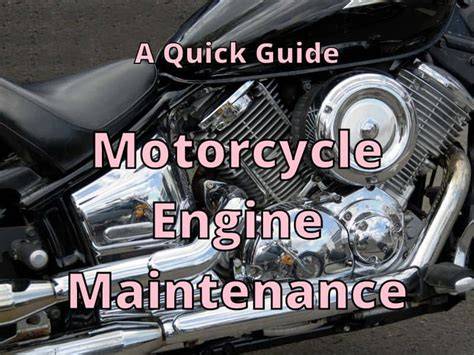
Yamaha motorcycles are more than just machines—they are trusted companions on city streets, winding highways, and rugged backroads. Whether you ride a sporty YZF‑series bike, a reliable Fazer, or a nimble scooter, proper maintenance ensures your engine runs smoothly for years. This article dives deep into essential Yamaha motorcycle maintenance tips that help extend engine life, improve performance, and protect your investment.
Maintaining your motorcycle isn’t just about routine checkups; it’s about understanding how each component affects engine health. From oil changes to valve adjustments and fuel system care, every task contributes to longevity and reliability. Whether you’re a weekend rider or a seasoned commuter, mastering these maintenance strategies helps you enjoy more miles with fewer breakdowns and costly repairs.
Read Also: Top Yamaha Touring Motorcycles for Long-Distance Riders
Why Engine Maintenance Matters
The engine is the heart of your Yamaha motorcycle. Like any high‑precision engine, it operates under extreme conditions—heat, vibration, pressure, and friction. Over time, wear and tear can degrade internal parts, reduce performance, and shorten the engine’s lifespan. Regular maintenance keeps components in optimal condition, prevents premature failure, and maintains fuel efficiency.
Neglecting engine care leads to issues such as overheating, poor fuel economy, reduced power output, and even catastrophic engine failure. By investing time in maintenance, you safeguard your bike’s performance and resale value. Moreover, well‑maintained engines run cleaner, producing fewer emissions—a small but meaningful contribution to environmental stewardship.
Getting Started: Your Yamaha’s Maintenance Schedule
Every Yamaha motorcycle comes with a manufacturer‑recommended maintenance schedule outlined in the owner’s manual. This schedule lists intervals for tasks like oil changes, filter replacements, valve clearances, and more. Following this schedule is one of the best steps you can take to protect your engine.
Consistency is key. Skipping maintenance milestones may save you time today, but it often results in bigger issues tomorrow. Keep a maintenance log to track when tasks were completed and when they’re due next. This proactive approach helps you stay organized and prevents overlooked services.
Engine Oil: The Lifeblood of Your Motorcycle
Choosing the Right Engine Oil
Engine oil lubricates internal parts, reduces friction, and helps dissipate heat. For Yamaha motorcycles, using the correct type and grade of oil is critical. Always refer to your owner’s manual for the recommended viscosity (e.g., 10W‑40) and oil specification (e.g., API, JASO MA/MA2).
Synthetic oils are often preferred because they provide superior stability across a wide temperature range, resist breakdown, and offer enhanced protection under high stress. However, conventional oil still works well for many models if it meets Yamaha’s specifications.
How Often to Change Your Oil
Regular oil changes are essential for engine health. As a general rule, change your motorcycle’s oil every 3,000 to 5,000 kilometers (1,800 to 3,000 miles), or more frequently if you ride in extreme conditions like stop‑and‑go traffic, high heat, or dusty environments. Frequent short trips also strain the engine, making regular oil changes even more vital.
When draining oil, ensure the engine is warm—this helps the oil flow out more completely, removing contaminants and metal particles. Always replace the oil filter at the same time to ensure effective filtration.
Air Filter Maintenance: Breathe Easy
Importance of Clean Air Intake
The air filter prevents dirt, dust, and debris from entering the engine. A clogged air filter chokes airflow, forcing the engine to work harder and run hotter. This can reduce power, decrease fuel efficiency, and accelerate engine wear.
Cleaning or Replacing the Air Filter
Check your air filter every few thousand kilometers or more often if you ride in dusty areas. Foam filters can be cleaned and re‑oiled, while paper filters typically need replacement when dirty. Always inspect the air box for debris and ensure the filter is seated properly to prevent unfiltered air from entering the engine.
Fuel System Care: Clean Fuel, Clean Combustion
Using Quality Fuel
Fuel quality directly affects engine performance. Use fuel with the octane rating recommended by Yamaha. Low‑quality or contaminated fuel can cause knocking, poor throttle response, and deposits in the combustion chamber.
Fuel Filter and Injector Maintenance
Modern motorcycles use fuel injectors that deliver precise fuel amounts. Over time, injectors can accumulate deposits, leading to poor spray patterns and inefficient combustion. Consider fuel injector cleaner additives periodically or professional cleaning during major services.
Also, inspect the fuel filter and replace it if clogged. A restricted fuel filter starves the engine of fuel and forces the pump to work harder, potentially leading to premature failure.
Cooling System: Keeping Temperature in Check
Most Yamaha motorcycles use liquid cooling systems to maintain optimal engine temperature. Coolant removes excess heat and prevents overheating. Overheating accelerates engine wear and can warp internal parts like the cylinder head.
Coolant Checks and Replacement
Check coolant levels regularly and top off with a mixture recommended by Yamaha (usually ethylene glycol‑based). Replace coolant according to the schedule in your owner’s manual—typically every two years. Always use the correct type to avoid corrosion and maintain proper heat transfer.
Spark Plugs: Tiny Parts, Big Impact
Spark plugs ignite the air‑fuel mixture in the combustion chamber. Worn or fouled plugs lead to misfires, rough idling, hard starts, and reduced fuel efficiency.
Inspection and Replacement
Inspect spark plugs every 5,000 to 10,000 kilometers. Look for signs of wear, carbon buildup, or oil fouling. Replace spark plugs with the correct type and gap specified by Yamaha. Proper plugs ensure consistent ignition and optimal engine performance.
Valve Adjustment: Precision Matters
Some Yamaha motorcycles require periodic valve clearance checks. Valves that are too tight or too loose affect combustion efficiency and engine health. Incorrect valve clearances can cause noise, loss of power, and even engine damage.
DIY or Professional Service?
Valve adjustments require mechanical skill and precision tools. If you’re confident and equipped, follow the manual’s procedure carefully. Otherwise, have a trained technician perform this service during major maintenance intervals.
Chain Maintenance: Smooth Power Delivery
Though not part of the engine itself, the drive chain affects engine load and overall performance. A loose, dry, or rusty chain creates resistance and drag, forcing the engine to work harder.
Cleaning, Lubricating, and Adjusting
Clean your chain regularly with a suitable chain cleaner. Lubricate it after every few rides, especially wet or dusty ones. Adjust chain tension according to Yamaha’s specifications—not too tight, not too loose. Proper chain care prolongs both chain life and reduces stress on the rear sprocket and gearbox.
Battery Care: Reliable Starts Every Time
A weak battery affects your motorcycle’s electrical system, including ignition timing. Without proper spark and electrical power, the engine may struggle to start or run inconsistently.
Battery Inspection and Maintenance
Check battery terminals for corrosion and ensure a tight connection. If you ride infrequently, use a trickle charger or smart maintainer to keep the battery charged. Replace the battery when it no longer holds adequate charge.
Exhaust System: Keeping It Flowing
A clean, unrestricted exhaust system allows spent gases to exit efficiently, reducing back pressure and engine strain. Regularly inspect headers, mufflers, and exhaust joints for damage or blockages.
Cleaning and Rust Prevention
Wipe down the exhaust to prevent rust and corrosion. If your bike has removable baffles or catalytic converters, inspect them for deposits and clean or replace as needed. A well‑maintained exhaust system supports better engine breathing and performance.
Throttle and Clutch Cables: Smooth Control
Sticky or improperly adjusted throttle and clutch cables can affect engine response and rider control. Rough throttle action can lead to inconsistent acceleration, while clutch issues may cause excessive engine load or slipping.
Regular Inspection and Lubrication
Check cable tension and lubricate cables periodically. Replace frayed or worn cables before they fail. Smooth control cables contribute to precise throttle response and reduce unnecessary engine strain.
Riding Habits That Protect Your Yamaha Engine
Warm Up Before You Ride
Cold starts are hard on any engine. Allow your Yamaha to idle for a minute or two before riding, especially in cooler weather. This helps oil circulate fully and brings the engine to operating temperature gradually.
Avoid High RPMs When Cold
Revving hard on a cold engine increases wear. Ride gently during the first few kilometers to let the engine warm up. Once at operating temperature, you can enjoy stronger acceleration and higher revs with confidence.
Smooth Acceleration and Deceleration
Sudden throttle bursts or abrupt braking not only stress the engine but also the transmission and tires. Smooth inputs are easier on all mechanical parts and improve fuel efficiency.
Watch Your Load
Carrying heavy loads or riding two‑up increases engine stress. Adjust your riding style accordingly and consider more frequent maintenance if you ride often with passengers or luggage.
Storage and Long‑Term Care
If you plan to store your Yamaha motorcycle for an extended period, take steps to protect the engine and related systems.
Fuel Stabilization
Add a fuel stabilizer to prevent gasoline degradation, which can gum up the fuel system. Run the engine briefly to ensure stabilized fuel reaches the carburetor or injectors.
Prevent Moisture and Corrosion
Store your bike in a dry place, ideally covered, to prevent moisture from causing rust. Consider placing a moisture absorber nearby and keep the battery on a maintenance charger.
Exhaust and Air Intake Protection
Plug the exhaust and air intake with clean rags or protective covers to prevent pests or moisture from entering. Remove these plugs before riding.
Diagnosing Common Engine Problems
Being proactive about engine issues saves time and money. Here are some common engine symptoms and possible causes:
Rough Idle
A rough idle may indicate dirty fuel injectors, a clogged air filter, or worn spark plugs. Check these components first when diagnosing idle issues.
Overheating
Overheating can stem from low coolant, blocked radiators, or excessive load. Ensure proper coolant levels and clean the radiator fins regularly.
Loss of Power
Power loss often traces back to fuel delivery problems, dirty filters, or incorrect valve clearances. Regular inspections help catch these issues early.
Excessive Oil Consumption
If your Yamaha starts burning oil faster than usual, inspect piston rings, valve seals, and gaskets. Low compression due to worn rings leads to higher oil usage.
Advanced Tips for Enthusiasts
Performance Upgrades with Care
Upgrading parts like air filters, exhaust systems, or ECU tuning can boost performance. However, be mindful that changes may alter engine load, heat characteristics, and maintenance needs. Always choose high‑quality components and tune carefully.
Use of Diagnostic Tools
Modern motorcycles often include onboard diagnostics. Use a Bluetooth OBD adapter and a compatible app to monitor engine parameters, error codes, and performance data. This helps you catch issues early and understand how your bike behaves in real time.
When to Seek Professional Help
Despite regular maintenance, some tasks are best left to trained technicians. Complex issues like internal engine repairs, major valve adjustments, or transmission problems require specialized tools and expertise. Visiting a certified Yamaha service center ensures accuracy and preserves warranty coverage.
Conclusion: Longevity Through Careful Maintenance
Extending the engine life of your Yamaha motorcycle takes more than occasional checkups—it requires a thoughtful maintenance routine, good riding habits, and attention to detail. From consistent oil changes to proper fuel care, each maintenance task plays a vital role in protecting your engine and enhancing riding enjoyment.
Remember, your motorcycle rewards care with reliability, performance, and longevity. Whether you’re preparing for a long tour, commuting daily, or enjoying weekend spins, these maintenance tips empower you to keep your Yamaha running strong for years to come.
Ready to give your Yamaha the care it deserves? Start with a maintenance schedule today, and enjoy smoother, more reliable rides well into the future.