

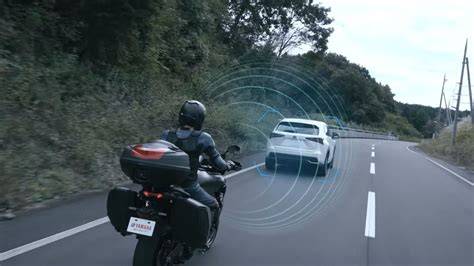
Motorcycle safety has long been a major challenge for riders, manufacturers, and regulators alike. With riders exposed to the elements and fewer protective structures than cars, even minor mistakes can lead to severe injuries. Recognizing this, Yamaha is leading an ambitious effort to rethink motorcycle safety by integrating advanced technologies such as artificial intelligence (AI), sensors, and smart control systems into its machines. These developments are not just about gadgets—they aim to fundamentally reduce human error and enhance rider confidence on the road.
In this article, we’ll explore how Yamaha is harnessing AI and sensor technology to improve motorcycle safety, what innovations are already underway, and how these advancements address core issues faced in real‑world riding. Whether you’re new to tech in motorcycles or deeply familiar with ADAS (Advanced Driver/ Rider Assistance Systems), this comprehensive guide explains why Yamaha’s work matters now more than ever.
Read Also: Yamaha’s New Motorcycle Technology Explained: Smart Ride Systems & AI Features
Why Motorcycle Safety Needs a Technology Revolution
Motorcycle accidents contribute to a disproportionate number of traffic fatalities worldwide. Unlike cars, motorcycles offer little structural protection, meaning that preventing accidents in the first place is vital. Yamaha’s safety vision is shaped around the idea that better technology can assist riders in avoiding errors—especially those that occur in the first critical seconds before a crash unfolds. By targeting human error and improving real‑time responses, technology can be a life‑saving partner rather than just another feature on a bike.
Yamaha’s Safety Philosophy: Jin‑Ki Kanno × Jin‑Ki Anzen
At the heart of Yamaha’s safety strategy is a philosophy that marries rider instinct with machine assistance. Known internally as Jin‑Ki Kanno × Jin‑Ki Anzen—translated roughly as “human–machine unity combined with human–machine safety”—this approach guides the design and integration of AI and sensor systems across Yamaha’s motorcycle lineup. Here’s what it means in practice:
- Human‑Machine Unity (Jin‑Ki Kanno): Enhancing the rider’s ability to understand and intuitively interact with the motorcycle.
- Human‑Machine Safety (Jin‑Ki Anzen): Using technology to support rider decisions and prevent common accident causes.
By focusing on both intuitive control and safety support, Yamaha aims to reduce the likelihood and severity of accidents while preserving riding enjoyment.
How AI and Sensors Work Together on Yamaha Bikes
To make motorcycles safer, Yamaha combines several technological elements that might sound complex but work seamlessly beneath the surface to support the rider.
Sensors: The Motorcycle’s Perception System
Sensors are the foundation of Yamaha’s safety tech. These include:
- Inertial Measurement Units (IMUs): These detect the motorcycle’s orientation, roll, pitch, and yaw, helping to understand bike stability.
- Accelerometers and Gyroscopes: These capture motion dynamics that a human rider might miss, especially in sudden maneuvers.
- Actuators on Steering and Drive Systems: These are controlled by onboard computers to influence balance and direction during tricky situations.
Together, these sensors work much like a human nervous system—constantly gathering data and feeding it into algorithms that interpret what’s happening around and below the bike’s surface.
AI: Interpreting Sensor Data and Making Decisions
Where sensors collect data, AI interprets it. Artificial intelligence in Yamaha’s systems analyzes riding conditions, rider behavior, and potential hazards to make split‑second decisions that help the bike respond faster than a human could alone.
One example is using predictive models that anticipate unstable conditions—such as sudden stops or low‑speed imbalance—and adjust throttle, braking, or steering accordingly. This is especially important because research shows that around 70 % of motorcycle accidents occur within just two seconds of the first hazard trigger, leaving little time for human reaction.
Key Safety Innovations from Yamaha
Yamaha’s ongoing development includes multiple innovations that blend sensors, AI, and control systems. Let’s explore some of the most prominent.
Advanced Motorcycle Stability Assist System (AMSAS)
The Advanced Motorcycle Stability Assist System (AMSAS) is among Yamaha’s most exciting developments. It’s designed to keep motorcycles upright during low‑speed operation—one of the trickiest situations for riders. Many riders struggle at parking lots, start‑stop traffic, or tight turns where balance is crucial.
AMSAS uses a combination of drive force control and steering actuators guided by a six‑axis IMU to stabilize the motorcycle even below walking speed. At very low speeds, the system automatically adjusts steering and torque to prevent falls, helping riders maintain balance without overcompensation.
This isn’t just a gimmick; it tackles a major source of accidents by assisting in situations where even experienced riders can struggle.
Unified Brake and Radar‑Assisted Systems
Yamaha has also introduced radar‑linked braking systems, like the one on the Tracer 9 GT+, which adjust braking force dynamically based on relative speed to obstacles ahead. These systems use sensors to detect vehicles or objects in front and help balance braking between the front and rear wheels for more controlled stops.
This kind of integration—which may include adaptive braking and dynamic damping—reduces the likelihood of wheel lock‑ups or uneven stopping, particularly in emergency situations.
MotorOiD and AI‑Driven Concepts
While currently more conceptual, Yamaha’s MOTOROiD and related AI‑powered prototypes showcase what longer‑term integration of AI and sensing could bring. These projects use cameras, advanced sensor arrays, and AI to understand rider intentions and interact dynamically with the environment. Some versions can even autonomously adjust performance based on gestures or emotional cues from the rider.
Although these ideas are in early stages, they point toward a future where motorcycles might not only assist riders but communicate and cooperate with them in real time.
Enhancing Riding Safety Beyond Technology Alone
Yamaha’s vision acknowledges that AI and sensors alone aren’t enough; rider skill and connectivity are also key pillars of safety.
Rider Skills and Training
To complement advanced technology, Yamaha invests in rider training systems that analyze riding data and help riders improve. The Yamaha Riding Feedback System, for example, uses telemetry to give riders insights into how they handle their bikes and where they can refine technique to avoid risky behavior.
This reinforces the idea that technology should support rather than replace rider judgment.
Connectivity: Using Cloud Data for Continuous Improvement
Connectivity extends safety beyond individual bikes. Yamaha envisions cloud‑based data sharing where anonymized riding patterns and incident information can help refine future safety systems and offer riders personalized insights. This kind of data analysis also helps Yamaha understand real‑world riding behaviors and accident trends, feeding back into safer product design.
What This Means for Everyday Riders
For many riders, these technologies might sound futuristic, but elements are already finding their way onto production bikes. Systems like ABS (Anti‑lock Braking System) and traction control have become mainstream with the help of sensors and onboard computers in recent years.
As more advanced AI‑assisted systems are refined and validated, we can expect broader adoption:
- Greater low‑speed confidence for urban riders, thanks to systems like AMSAS.
- Improved hazard response with radar and predictive brake control.
- Better rider awareness via data feedback and cloud insights.
- Help for all skill levels, reducing the steep learning curves associated with two‑wheeled riding.
These advancements reflect a broader industry trend toward Advanced Rider Assistance Systems (ARAS), which combine sensors, AI, and real‑time computing to help reduce crashes and improve safety outcomes overall.
Challenges and the Road Ahead
Of course, challenges remain. Integrating AI and complex sensors increases costs, and ensuring reliability in varied conditions—from rain to gravel roads—requires intense testing. Additionally, riders accustomed to fully manual control may take time to trust automated assistance.
Regulatory frameworks also continue to evolve, especially as systems become more autonomous. Yet with Yamaha’s clear vision and ongoing investment in both technology and rider education, the future of motorcycle safety looks more assured than ever.
Conclusion
Yamaha’s approach to motorcycle safety represents a thoughtful blending of technology, rider empowerment, and real‑world understanding. By integrating AI, sensors, and connected systems, the company isn’t just adding features—it’s reshaping how riders interact with their machines and how machines support human decision‑making.